
William Hodgson: In the fulness of time
“But when the fulness of the time was come, God sent forth his Son, made of a woman, made under the law, to redeem them that were under the law, that we might receive the adoption of sons.” (Galations 4:4-5)
Celebrating the time of Jesus’ birth, this and other passages about the time are significant. St. Luke dates Jesus’ birth this way.
“And it came to pass in those days, that there went out a decree from Caesar Augustus, that all the world should be taxed. (and this taxing was first made when Cyrenius was governor of Syria.) And all went to be taxed, everyone into his own city. And Joseph also went up from Galilee, out of the city of Nazareth, into Judaea, unto the city of David, which is called Bethlehem; (because he was of the house and lineage of David:) to be taxed with Mary his espoused wife, being great with child. And so it was, that, while they were there, the days were accomplished that she should be delivered. And she brought forth her firstborn son, and wrapped him in swaddling clothes, and laid him in a manger; because there was no room for them in the inn.” (Luke 1:1-7)
In chapter 3, Luke used similar descriptions to date the beginning of the ministry of John the Baptist. This indicates what is meant by “the fulness of time.”
Up until the birth of Jesus, there was no universal way of measuring, “what year is this?” It was dependent upon who was the ruler of a particular area, and how long that reign had continued. As it is yet today, nations and even empires come and go. St. Luke’s writings indicate that the Roman empire was regulating the dating system, based upon the reign of the emperors.
It wasn’t until 525AD that a monk named Dionysius Exiguus proposed counting years from the birth of Christ be used to replace the older Roman method of dating. It took until after the historical writings of Venerable Bede in the 9th century for Dionysius’ system to be popularly adopted, and as such it has been used to the present time. With more data emerging in later times, scholars generally estimate the time of Jesus birth to be between 4-6 BC. However, the numbering of years has been universally adopted, even though the initials have changed over time.
The fact that we use a reference point taken from the estimated birth of Jesus to divide all world history into “before” and “after” is its own testimony to the influence of the ministry of Jesus and of the apostles and their followers throughout these 2025 years.
As we enter the 2026th year of the fulness of time, let us resolve never to take for granted the blessings that have come to us through the discipleship of those who have gone before us. And let us be aware that Jesus is what His name says: Emmanuel, God always with us.
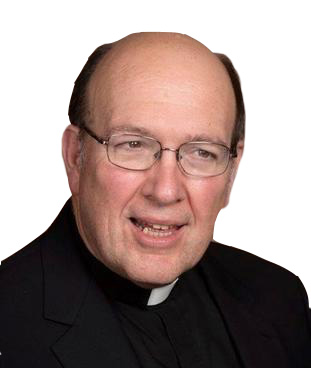
Pastor Fr. William Hodgson is the priest at St. Edward Catholic Church in Cassville. He may be reached at 417-847-4948 or [email protected].