
Local Devotional — William Hodgson: Ash Wednesday, Lent and Easter
From the discovery of the empty tomb, the first news on the day of Jesus’ resurrection, on the part of Mary Magdalen, was, “They have taken the Lord out of the tomb, and we do not know where they have laid him.” (John 20:2).
The development of the message happened rapidly. After the report of Mary Magdalen, from among the disciples who heard Mary’s report, Peter and John ran to the tomb. Upon entering, we hear the report about John, “He saw and believed.” (John 20:8). Later the same day, Jesus appears to Mary Magdalen (John 20:11-18) who reported to the disciples (John 20:18). The evening of that same day he appeared to 10 of the 12 apostles (John 20:19-23) and then a week later to the same 10, plus Thomas was with them.
St. Luke adds an account of two other disciples coming to recognize Jesus in the “breaking of the bread.” (Luke 24:13-35). Later on, Paul would list the various times Jesus had appeared to others and lastly, to himself, “As to one untimely born.” (1 Corinthians 15:1-10).
By this time, the proclamation of Jesus as risen and Lord had developed among them to a message that had been received and was being handed on.
As Christians began to commemorate the resurrection, they did so in the context of the Passover, when Jesus had suffered, and which was calculated each year according to the lunar calendar. The solar calendar had been introduced by Julius Caesar in 45BC, which gave people living in the empire a dual calendar, one for Judeo-Christian celebrations and another for civil use. This resulted in the variable date of Easter that we still observe today.
As time went on, Christianity began to consider other events in the life of Jesus, worthy of celebration. Those associated with Easter continued to follow in relation to the Passover. The emergence of Lent commemorated Jesus’ 40 days of fasting in the wilderness (Matthew 4:1-11, Mark 1:12-13, Luke 4:1-13). Beginning the season with “Ash Wednesday” became popularized around 601 AD., and was associated with God’s word to Adam, “for you are dust and to dust you shall return.” (Genesis 3:19). In a similar vein, Jesus referred to the Old Testament custom of sackcloth and ashes as a manifestation of repentance.” (Matthew 11:21).
Finally, in the sermon on the mount, Jesus refers to three practices commonly thought to be associated with both repentance and growth in holiness: prayer, fasting and almsgiving (Matthew 6:1-18).
Over the course of time, Christian celebrations have become synchronized with the seasons of the year and blend to help us internalize the messages of faith.
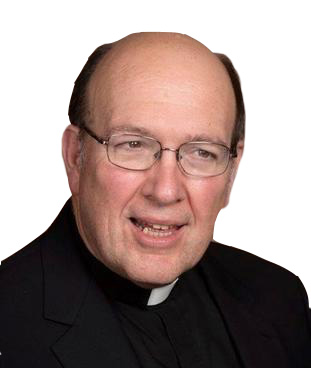
Pastor Fr. William Hodgson is the priest at St. Edward Catholic Church in Cassville. He may be reached at 417-847-4948 or [email protected].