Community Voices — Terry Held: What we carry out of the classroom
What do we teach in the college classroom?
At the very crux, we teach knowledge — the “how to” and the “what for” of a subject. Yet knowledge is nothing if it is not applicable to real life. This is part of the learning continuum, a process if you will, that models how humans acquire skills and use them in real life. It is the application process where learning success spells a lifetime of benefits to all people. It is the engine for achieving the greater good. That somehow, some way in our lives what we do serves our fellow sojourner in this broken and beautiful world.
A much better descriptor is servant leadership.
I have witnessed it as a core cultural trait in my time in Cassville. How uplifting it is to see America’s Real Hometown, day in and day out, exemplify the very tenets of servant leadership. It is done by the citizenry in small and big ways, lifting a hand to others in need, encouraging and giving of the heart without expectation of payback.
Increasingly in this world, I see and hear people from all walks of life who expect it is the government to supply all our needs, as though our taxes supply us with serving our neighbor. Our government is charged with a great deal, and our republic seeks to serve a better way of life. But life’s demands exceed all the stores of help that are essential in addressing what all people wish to have in times of trouble and unexpected need.
Servant leadership is the driving force of Crowder’s cultural ethos. We seek to instill by example, by knowledge and application, that our students will understand the outside world needs their heart as much as it needs their knowledge and workplace skills.
In my composition and speech classes at Crowder College, I’ve asked students to study servant leadership. Some are writing about it, and others are preparing to speak about it. I keep coming back to a question that matters after the assignment is turned in. What will somebody else be able to do because they took the time to help?
Picture a student who goes straight from class to work and is asked to show a new employee how to close up for the night. It would be quicker to do the job alone. Showing someone the routine takes longer, especially if you give them a chance to try it and ask why things are done a certain way. The next evening, that new coworker may be able to close up on their own. A little patience on one shift can give somebody else a chance to take responsibility on the next.
Crowder’s mission speaks of building a “civil, serving, literate, learning community of responsible citizens.” I find myself dwelling on the word serving. It describes something we can practice while we’re learning. In a classroom discussion, it might be as simple as waiting long enough for a classmate to finish a difficult thought. At a meeting in town, that same habit might lead us to ask what someone who’s been quiet thinks about the matter at hand. Their answer might change the decision.
I think about this in connection with Poetry Ain’t Dead. Our student poets had something to say, and Cassville gave their work a place to be heard. When the city proclaimed a Community Poetry Day, it gave public recognition to something that started with students putting words on a page. There’s a lesson in that for those of us who have a say in what gets heard around town. Sometimes the most useful thing we can do with the standing we have is lend a little of it to somebody who’s just beginning to find an audience.
You need examples? Serve a shift at the Crowder Pantry. There is a noble effort ongoing every day of Cassville’s existence to serve our neighbor in that location. Were you at the crazy fun chili cook off, where hundreds of people turned out to support various causes and enjoy the camaraderie of their fellow neighbor. Do you know the work of the Senior Citizen Center? Go, see, help.
These organizations and scores of individual citizens serve their neighbor without expectation of recognition or pay. Now, that is servant leadership. It is what the citizenry of Cassville does so well. I can only hope in my classroom I can impart the spirit of help and cooperation I have seen in Cassville…that they will understand and apply the golden rule throughout their life in the locales they live and work.
Of course, our students bring their own examples of service to Crowder. They may have learned how to teach a task from someone who trained them at their first job, or how to make room for a newcomer from a neighbor who did the same for them. In class, they get to put words to what they’ve seen and think about where else they might practice it. Then they go back to work, to their families, or to a meeting where somebody has been trying to get a word in. I hope one of them remembers to say, “Go ahead. I’d like to hear what you think.”
Servant Leadership. Out of the classroom and into the areas we live. Making the places we live to thrive. Be the servant leader, help America’s Real Hometown and surrounding areas continue to be a great place to live and work.
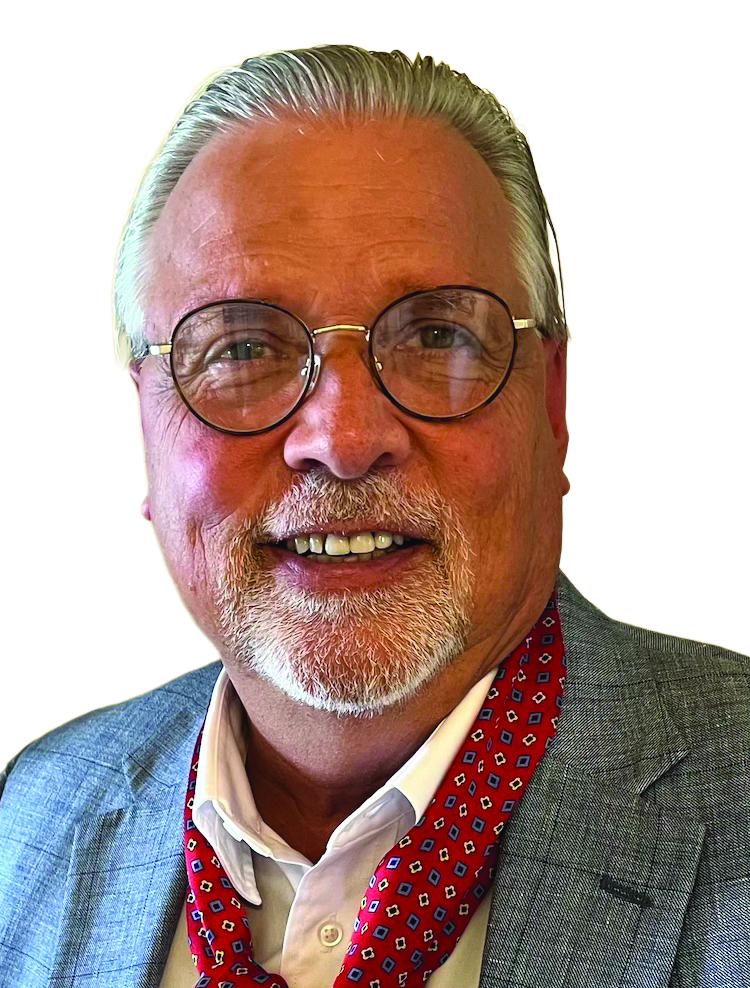
Terry Held is an English instructor at Crowder College, Cassville. The views expressed in this column are solely those of the author and do not necessarily reflect the views or positions of Crowder College. He would appreciate hearing what you think. He can be reached at [email protected].