
Community Voices — Melissa Hamilton: Fall is the time to improve your raised-bed soil
As summer begins to wind down in Barry County, many gardeners are looking at raised beds that do not look quite as good as they did in May.
Plants may be tired, soil levels may have dropped, and after months of growing tomatoes, peppers, squash and other vegetables, it can seem as though the soil itself is tired.
Fall is an excellent time to give that soil some attention.
Good soil is one of the most important parts of a successful vegetable garden. Raised beds have many advantages, but they need regular care. Organic matter breaks down over time, plants remove nutrients and the soil can settle and become compacted. Instead of waiting until spring to deal with these problems, gardeners can get a head start now.
After vegetable plants have finished producing, remove dead plants, weeds and other debris. Healthy plant material can be composted. Plants that had serious disease problems are generally better kept out of a home compost pile unless you know your compost reaches temperatures sufficient to destroy the pathogens.
The garden doesn’t have to be perfectly bare and spotless for winter. The goal is to remove problem material while protecting and improving the soil.
One of the simplest ways to improve a raised bed is to add finished compost. Compost adds organic matter and helps improve soil structure. It can improve water movement and aeration in heavier soils and help lighter soils hold water and nutrients.
Spread finished compost over the surface of the raised bed. It can be lightly worked into the upper portion of the soil or left near the surface for earthworms and other soil organisms to gradually incorporate.
More fertilizer does not always mean better soil. Before adding lime, phosphorus, potassium or other fertilizers, consider having your garden soil tested. A soil test can tell you the soil’s pH and nutrient levels and help determine what actually needs to be added. Testing can save money and prevent gardeners from applying nutrients the soil already has.
The University of Missouri Extension office in Barry County can help you get your soil tested. Gardeners can bring a soil sample to the local Extension office for testing and receive information that can help them understand what their garden soil needs. This is a valuable local resource for gardeners who aren’t sure how much fertilizer or lime to add. Fall is a convenient time to test because you have time to make recommended changes before the next gardening season.
A raised bed doesn’t necessarily have to sit empty all winter. Cover crops can help protect and improve garden soil. Missouri gardeners can use crops such as cereal rye or other appropriate cover crops after vegetables have been harvested.
Cover crops can help reduce erosion, improve soil structure and add organic matter when the plant material eventually decomposes. Some legumes can also contribute nitrogen when properly managed. A small raised bed is a good place to experiment with a cover crop without committing a large garden area.
Those bags of leaves we rake every fall are also valuable organic material. Leaves can be composted and eventually returned to the garden instead of being treated simply as waste. Shredded leaves can also be used as mulch. A layer of organic mulch helps protect the soil surface, conserve moisture and slowly add organic matter as it breaks down.
Gardeners sometimes think improving soil means turning it over repeatedly, but excessive digging isn’t necessary in an established raised bed. Add organic matter, keep people from walking in the beds and allow roots, earthworms, microorganisms and other soil life to help maintain good soil structure.
One advantage of raised beds is that gardeners can reach plants from the sides without stepping on and compacting the growing area.
You don’t have to replace all the soil in a raised bed every year. In most cases, improving what you already have is less expensive and easier. Adding organic matter regularly, testing the soil when needed and protecting the soil between crops can make a noticeable difference over several growing seasons.
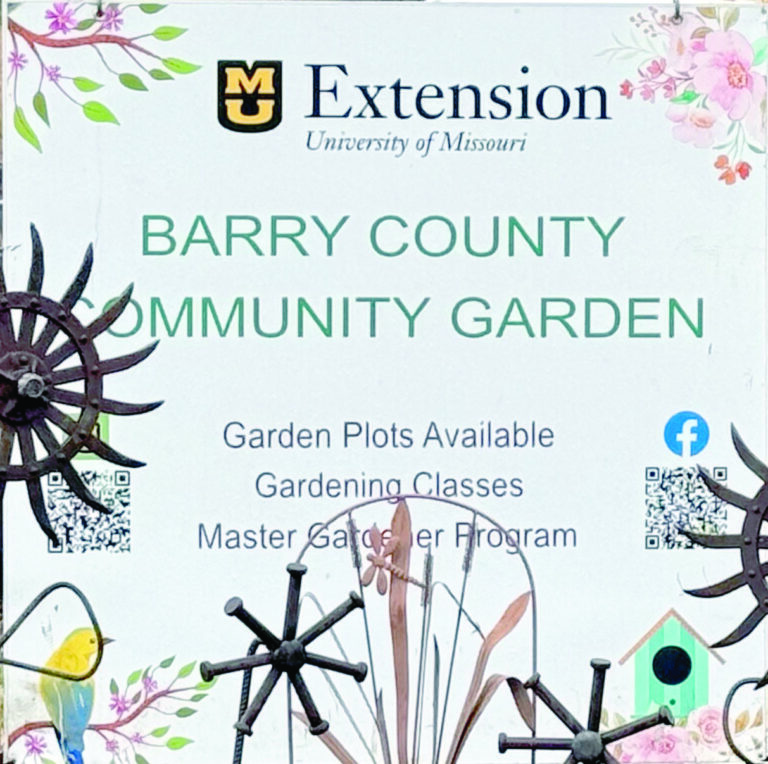
At the Barry County Community Garden, healthy soil is especially important because productive soil means more vegetables can be harvested and shared with people in our community. When we put our gardens to bed this fall, let’s not think of it as the end of the gardening season.
Think of it as the beginning of next year’s garden. A little work on your soil this fall can mean healthier plants, better harvests and fewer problems next spring.
The Barry County Community Garden also needs the community’s help as we finish another growing season and prepare for next year. Fall volunteers are needed to help harvest remaining vegetables, pull weeds, remove spent plants, clean and prepare raised beds, spread compost and complete general garden cleanup. You don’t have to be an experienced gardener to volunteer. Even an hour of your time can help.
Financial donations are also important. Donations help purchase compost and soil amendments, seeds, vegetable plants, fertilizer, mulch, irrigation supplies, tools and other materials needed to keep the garden productive. Donations of useful garden supplies are also appreciated. Every contribution helps us continue growing fresh produce for people in our community.
Those wishing to make a financial contribution may send donations for the Barry County Community Garden to the MU Extension office in Barry County, 700 Main St., Suite 4, Cassville, MO 65625. For information about donating supplies or volunteering, contact Melissa Hamilton at 417-592-0432 or [email protected], or email [email protected].
The Barry County Community Garden belongs to our community, and its success depends on people willing to give a little time, support or resources. By working together this fall, we can put the garden to bed in good condition and give it a strong start for another season of growing and giving in Barry County.
Melissa Hamilton is a dedicated volunteer with the Barry County Community Garden and a Barry County Master Gardener. She may be reached at [email protected].