Community Voices — Richard Asbill: The water rose, so did we: What the 7th street bridge represents
This week, the City of Cassville will reopen the 7th Street Bridge — a moment many in our community have waited years to see.
For some, it will feel like a return to normal. For others, it will serve as a reminder of just how much has changed since the flood of 2017 — and how flooding is part of Cassville’s history.
That flood was not just a high-water event. It reshaped how we think about infrastructure, access and preparedness. Flat Creek, which typically flows quietly through our community, rose to levels few had ever seen — reaching nearly 26 feet at its peak and pushing well beyond its banks.
Streets flooded, access points were cut off, and a vital connection point — the 7th Street Bridge — was lost.
But flooding is not new to Cassville. Historical records show that as far back as the 1930s, heavy rainfall events brought widespread flooding, damaged roads and bridges, and required evacuations along Flat Creek.
In many ways, this is part of Cassville’s story. After all, we are the City of Seven Valleys.
And with that identity comes both beauty and responsibility. Water has always shaped this landscape, and it always will. While we cannot eliminate flood events, we can learn from them — and we have. The goal is to limit impact and reduce damage. The City appreciates the efforts of individuals like Corky Stehlik, Jerry Whatley, former City Administrator Steve Walensky and former Mayor Bill Shiveley for keeping that focus a priority.
Since 2017, the City of Cassville has worked alongside property owners, agencies and local partners to better manage water flow throughout our community. Efforts to clear debris, maintain channels, and improve drainage along Flat Creek and its tributaries have become an important part of reducing future impacts.
These are not always visible projects, but they matter. As we’ve seen in more recent events, routine maintenance and creek clearing can make a meaningful difference in how water moves and how quickly it recedes.
We have also learned that infrastructure must be built differently along Flat Creek and within our flood zones. The new 7th Street Bridge reflects that lesson. The previous crossing was more vulnerable to debris buildup and flood damage.
The new structure is designed to allow water to pass more freely, reducing blockage and improving long-term resilience. That is the key point — resilience. Just like the people of Barry County and Cassville.
Flood events are never positive. They bring disruption, damage, and uncertainty. But they also force us to evaluate, adapt, and improve. As a community, we have done — and must continue to do — just that.
The reopening of the 7th Street Bridge is not just about restoring a route to the park, the cemetery, or our neighborhoods. It is a symbol of what we can accomplish when we respond with purpose and work together toward a better outcome.
We know there will be future floods. That is part of living in a place shaped by valleys, creeks, and natural beauty. But we are better prepared today than we were yesterday — and that is something worth recognizing.
As we gather to reopen 7th Street Bridge, we are not celebrating the flood that took it — we are recognizing the progress that followed it. We are acknowledging the lessons learned, the work completed, and the commitment to continue improving.
Because in Cassville, resilience is not just something we talk about. It is something we build.
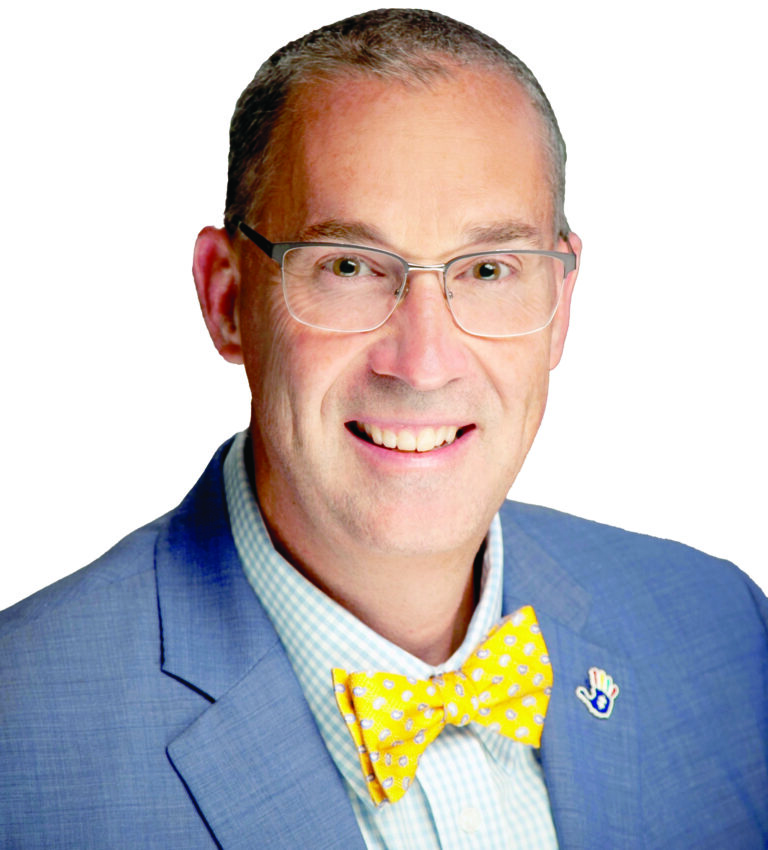
Richard Asbill is the city administrator for the city of Cassville. He is a retired school superintendent of Cassville and Bolivar. He may be reached at 417-847-4441