Community Voices — Terry Held: The radical spirit of Cassville
The word radical has become a strange word in modern America.
Turn on the television or scroll through social media, and it is usually used as an accusation. A radical is someone unreasonable. Someone extreme. Someone bent on tearing things down.
But historically, the word meant something quite different. The word radical comes from the Latin radix, meaning root. To be radical is to return to the roots. It means holding fast to the principles that gave something life in the first place.
If that is the case, then perhaps Cassville is one of the most radical towns in America.
As the United States approaches the 250th anniversary of the Declaration of Independence in 2026, Americans will pause to reflect on what has allowed this republic to endure for two and a half centuries. Nations have risen and fallen in far less time. Yet the great American experiment continues.
One reason lies in a simple idea the founders understood well: The most important office in our republic is not president, senator or governor. It is the office of the citizenry. Citizenship is not merely a legal status. It is a responsibility. It is an inheritance passed from one generation to the next. A citizen is not meant to sit on the sidelines. A citizen participates.
And that is where the radical spirit of Cassville becomes visible. In Cassville, people show up. They show up for their neighbors. They show up for their schools. They show up for their town when something needs doing.
You see it in the steady rhythm of civic organizations like Rotary, whose members gather week after week not merely to share a meal but to ask a simple question: How can we make this town better than we found it?
Rotary has long served as a kind of civic heartbeat in Cassville, bringing together citizens who understand that healthy communities require steady care and thoughtful attention.
You see it in the work of our city government, led by City Administrator Richard Asbill and Mayor Jon Horner, who have not been afraid to lead boldly about Cassville’s future. The construction of the 7th Street Bridge is more than an infrastructure project. It is a quiet declaration that this town intends to move forward, not simply stand still.
The same spirit is evident in the transformation of the old theatre property into a Pocket Park. This is a reminder that communities do not thrive by accident. They thrive because citizens care enough to imagine what something worn and forgotten might become again.
And you see it in our public schools, where teachers show up every day not only to deliver lessons but to shape the habits of citizenship in the next generation. They teach young people how to think, how to listen, how to work together and how to take responsibility for the communities they will someday inherit.
Education, at its best, prepares students not only for careers, but for citizenship.
That mission continues just up the road at Crowder College, where students from across Barry County find opportunity close to home. Community colleges often work quietly, but their influence is profound. They open doors. They expand horizons. And, they strengthen the civic fabric of the communities they serve.
When you step back and look at these pieces together, Rotary meetings, thoughtful city leadership, dedicated schools, and institutions like Crowder — you begin to see something larger emerging.
You begin to see the architecture of citizenship — the “Radical Spirit of Cassville.”
Nearly two centuries ago, the French observer Alexis de Tocqueville traveled across the young United States and marveled at the habits of its people. Americans, he wrote, had an unusual tendency to form associations and take responsibility for the life of their communities. Ordinary citizens accepted obligations that in other nations were left entirely to distant authorities. That observation could easily describe Cassville today. The radical spirit of Cassville is not loud. It is not ideological. It is not theatrical.
It is rooted.
Rooted in the belief that community matters. Rooted in the understanding that freedom requires participation. Rooted in the quiet conviction that each generation has a responsibility to leave things better than they found them. You can even see that spirit reflected in the landscape around us.
Spend a morning walking along Roaring River, and you begin to understand something about endurance. The water moves patiently over stone that has been shaped for centuries. The current never seems hurried, yet it never stops moving forward. The beauty of the place lies in that quiet persistence.
The same can be said of the citizens of Cassville.
Our town does not make national headlines. It does not shout for attention. Yet, day after day, year after year, people here continue the steady work of building a community worth living in. This is why Cassville proudly calls itself “America’s Real Hometown.”
More than a slogan. It is a description of a place where citizenship is still practiced as a daily habit.
As we prepare to celebrate 250 years of American greatness, we, as the office of the citizenry, must search for continual renewal to honor the ideals of the founding generation. The most meaningful tribute is already happening in towns like Cassville.
It happens when citizens show up. It happens when neighbors care for one another. It happens whenever people take seriously the quiet responsibilities of the republic. Like the waters of Roaring River, the strength of this community flows not from noise, but from persistence. And if the future of America depends on citizens who remember their roots, then the radical spirit of Cassville may be one of the most enduring things our country has going for it.
Because in the end, a republic thrives, not because of the power of its government. but because of the office of its citizenry.
The radical spirit of Cassville lives on.
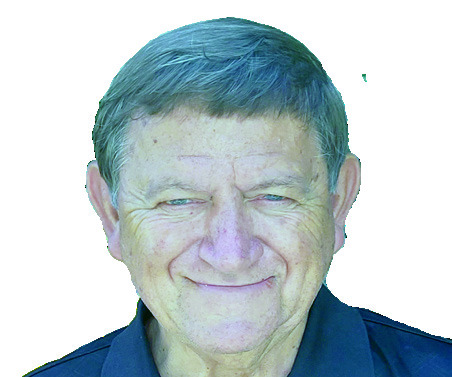
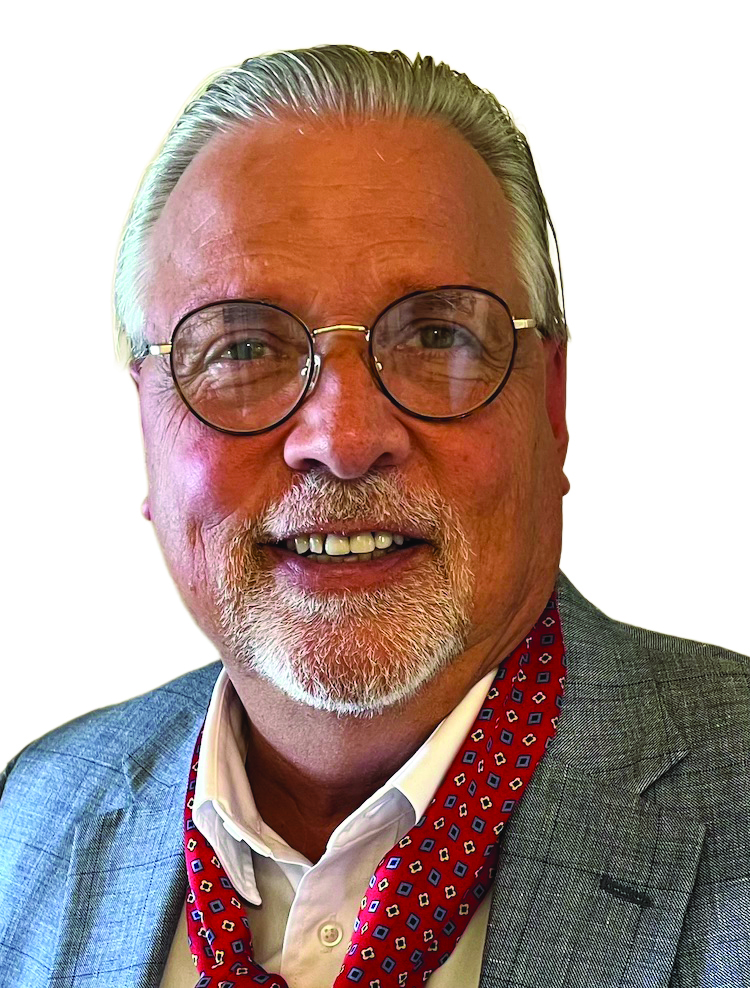
Terry Held is an English instructor at Crowder College, Cassville. The views expressed in this column are solely those of the author and do not necessarily reflect the views or positions of Crowder College. He would appreciate hearing what you think. He can be reached at [email protected]