Monett dairy conference looks at risks
Producers offered tips on better production
By Murray Bishoff Special to the Monett Monthly
Dairy producers heard concerns about herd maintenance and market trends during the annual Monett Dairy Conference, held Feb. 24 at the Monett National Guard Armory, a joint effort by the University of Missouri Extension Service and the Monett Area Chamber of Commerce.

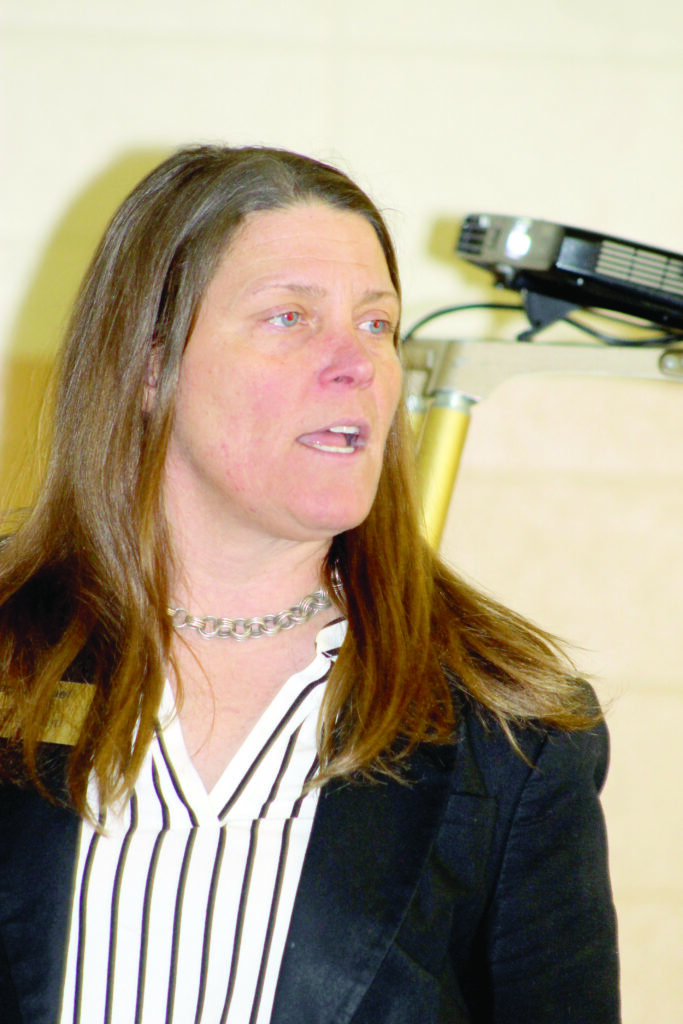
Reagan Bluel, dairy specialist for the Extension, opened the conference with cautionary words about managing dairy herds. According to research, Bluel reported heat stress can impact dairy cows in short-term production and long-term over generations.
Dr. Jimena Laporta, with Dairy Science Digest, has extensively studied this phenomena, Bluel said, and recently produced a podcast on the subject. Laporta found that cows subjected to heat stress see mammary gland changes as well as an adrenal gland response to heat. Adrenals respond to stress that changes metabolism, blood pressure, and a heightened level of inflammation. The stress of weaning can also make mammary glands thicker through the release of cortisol, adrenaline, and estrogen stimulated by adrenaline.
As a result, heat stress can lower milk production by that cow. The change becomes progressive over time, so that with subsequent pregnancies, the cow is making less milk. That can result in a dairy producer retiring her from the herd earlier.
On top of that, Bluel tracked the daughters and granddaughters of heat-stressed cows. Studies found that the offspring also produced less milk.
To address the issue, Bluel urged producers to build barns, with an east-west orientation, with a 1.5-2% slope. Installing fans can also help.
“We know if we can change some things, it will pay dividends down the line,” Bluel said. “Change what’s easy. Put out water with a hose. Have your cows cool down and drink more. Work with a nutritionist so dry matter has better quality. Choose to deliver rations at better times. She will eat more when it’s cooler. Put salt blocks out everywhere.”
While Bluel saw value in adding ponds, she also issued a caution.
“We don’t like snapping turtles,” she said.
Bluel urged producers to identify issues from studying data about their cows and production.
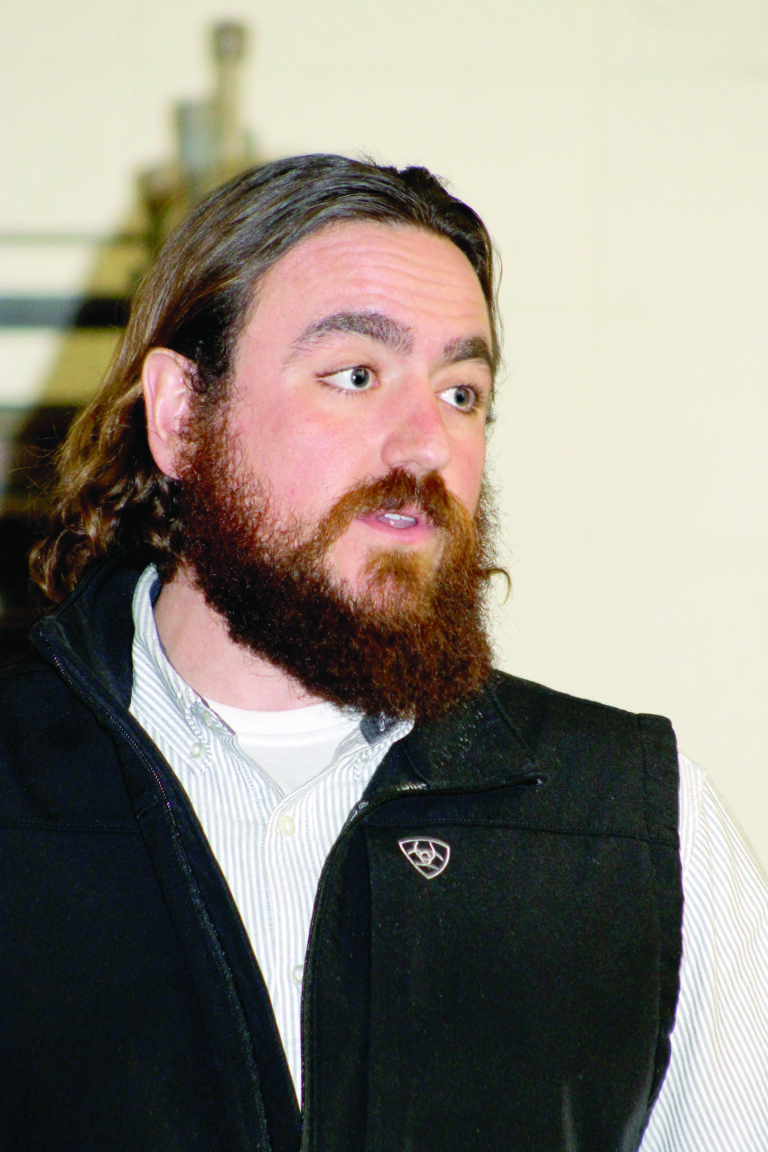
Massimo Montalbano, with Dairy Farmers of America, spoke about improving the quality of milk. DFA provides tests on somatic cell count, preliminary incubation count, coliform, and standard plate count to help producers maximize milk quality.
Missouri has an advantage over other regions on the somatic cell count. While the legal limit is 750,000 cells per milliliter, the average count in Missouri is 240,000, even lower than the 250,000 average in DFA’s southeast area. The national push is to lower the limit to 400,000, closer to international standards and those wanted by specialty companies like Chipotle.
Common issues producers encounter come from problems in the milking parlor. Montalbano reviewed problems such as inconsistent milking routines, not using gloves or using dirty gloves, not enough fore-stripping of the teat, inadequate cleaning, poor drying protocols, faulty equipment, faulty vacuum pressure, and stray voltage.
Common issues outside the parlor include dirty stalls, muddy pastures, dirty water sources, moldy feed, heat stress, the age of cows and keeping them in the system longer, when cell count increases with age.
Improvement strategies Montalbano suggested focused on clean equipment, running a consistent milking routine, and replacing hoses. He said many scientists recommend keeping a cow standing for 30 minutes after milking to dry better and to give the teat time to close.
“One bad cow in a herd of 40 can throw the counts way off,” Montalbano said. He reviewed tests DFA makes available, as well as lab services and farm loans to make improvements.
Bill Brooks, dairy economist from Northwest Missouri State University, offered a market outlook for dairy products. At the present time, Brooks saw many positive trends, such as minimal impact from avian influenza (HPAI).
The percentage of heifers expected to calve is down to 26%, putting the number of heifers at the lowest number in more than 25 years.
“We’re not sending cows to slaughter plants,” he said.
Missouri presently has 54,000 head of dairy cattle. Six states, including Missouri, still produce 60% of U.S. milk. Production is moving back toward the center of the country.
Sustaining herds in feed prices also looks promising. Brooks saw no big reasons to see corn prices change in the coming year. Likewise, soybean meal supplies looked strong with good demand.
“Our prices have moved higher,” Brooks said. “International prices are down. We have been a consistent dairy exporter. We are in the best position to take advantage of international markets.”
The majority of milk continues to go into cheese production, which has flattened in volume in the past three years. Brooks noted the Make America Healthy Again movement reopening the use of whole milk in school meals will likely benefit producers.
In addition, the MAHA emphasis on protein continues to favor milk products like yogurt and cottage cheese. Brooks said GLP-1 drugs for weight loss have become so plentiful that 23% of households are reporting a member taking the drugs. The higher emphasis on protein is also causing a resurgence in scurvy, another affliction not seen in modern times.
“Overall, we had a good year last year,” Brooks said. “We saw a 2% gain in consumption. We anticipate another good gain next year. We’re seeing a run-up in cheese. It’s hard to think that’s sustainable. A lot of product is looking for a home over the next couple months due to the volume we’re seeing at the exchange.”
Brooks cautioned that drought conditions continue in different parts of the county, like south Texas. Spreading of excessively hot weather can impact feed production and cut margins. He urged producers to sign up for margin insurance programs. He concluded, “It won’t be a terrible year for profitability. It will be decent but a lot tighter.”
Lunch for the dairy conference was provided by the Monett Area Chamber.